Front yard
Typical maximum near the street, so drivers and pedestrians can see clearly.
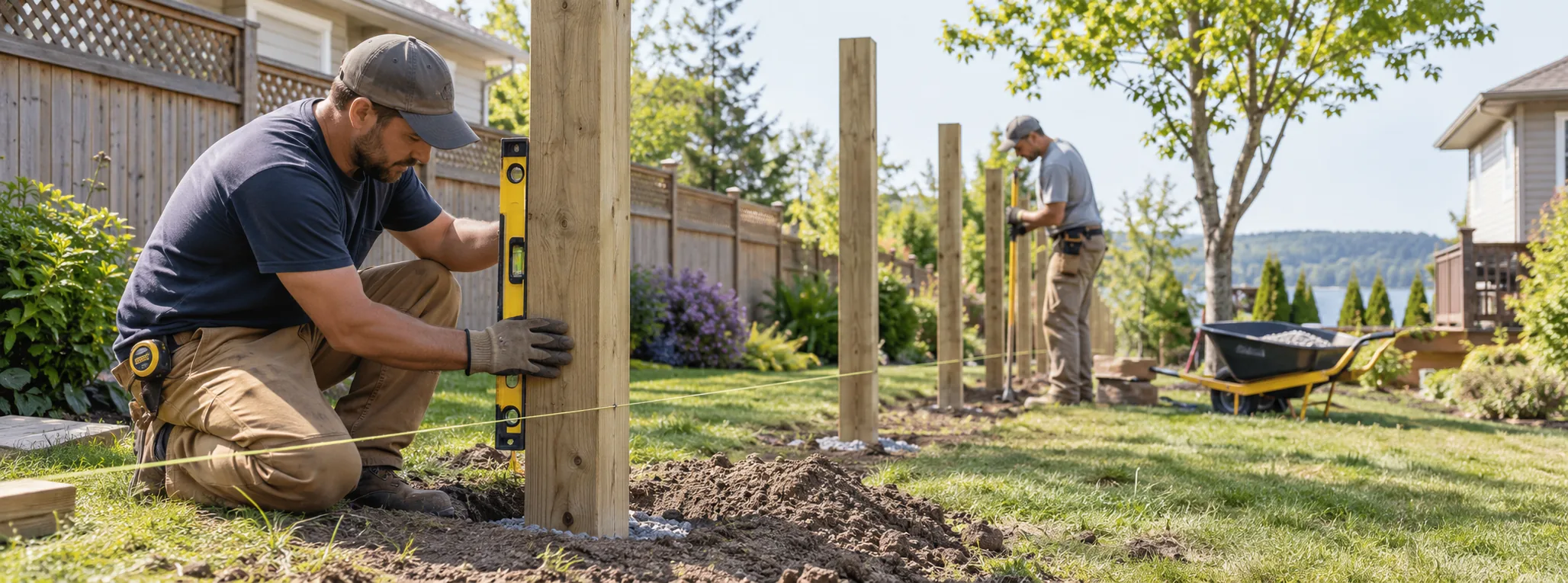
Fence heights are set by your municipality. These are typical ranges across Canadian cities — always confirm your local bylaw.
Typical maximum near the street, so drivers and pedestrians can see clearly.
The most common limit without a permit; a 6 ft (1.83 m) fence usually fits.
Lower limits near intersections keep sightlines open on corner lots.
Example: Toronto’s fence bylaw (Chapter 447) caps most front yard fences at 1.2 m. Taller fences generally need an exemption.
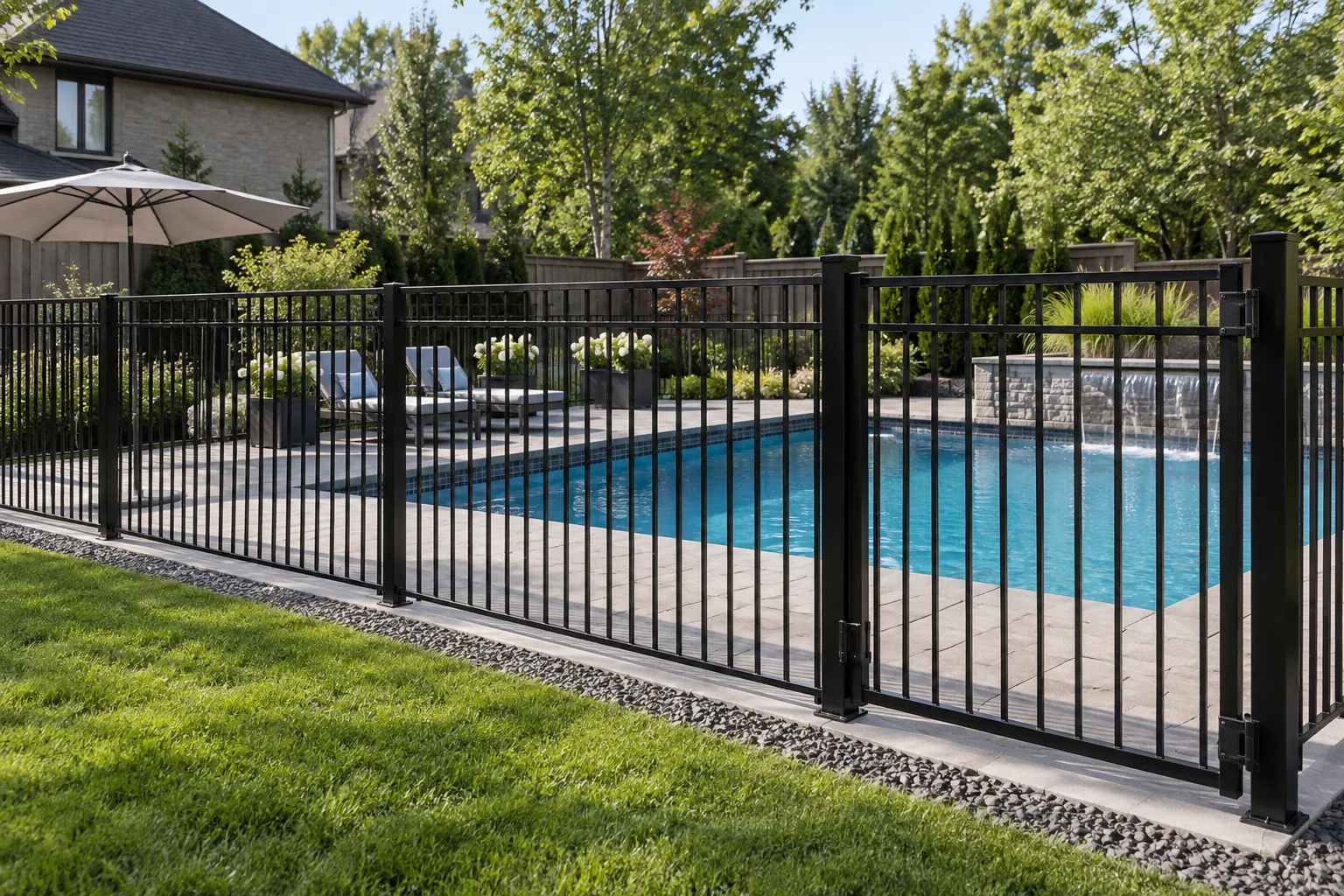
Gas, hydro and telecom lines are marked before any post hole is dug. In Ontario, requests go through Ontario One Call; in Quebec, Info-Excavation. Allow a few business days.
Post augers go deep. Locates are booked before layout day, and marks are respected during installation.
Posts should reach below the local frost line. Typical frost depths vary widely across Canada.
Estimate: frost depth plus 15 cm, and never less than one-third of the post length. Soil, wind exposure and local code can require more.
Know exactly where your lot line runs — from a survey or survey stakes — before posts go in. Shared boundary fences are best agreed with neighbours in writing.
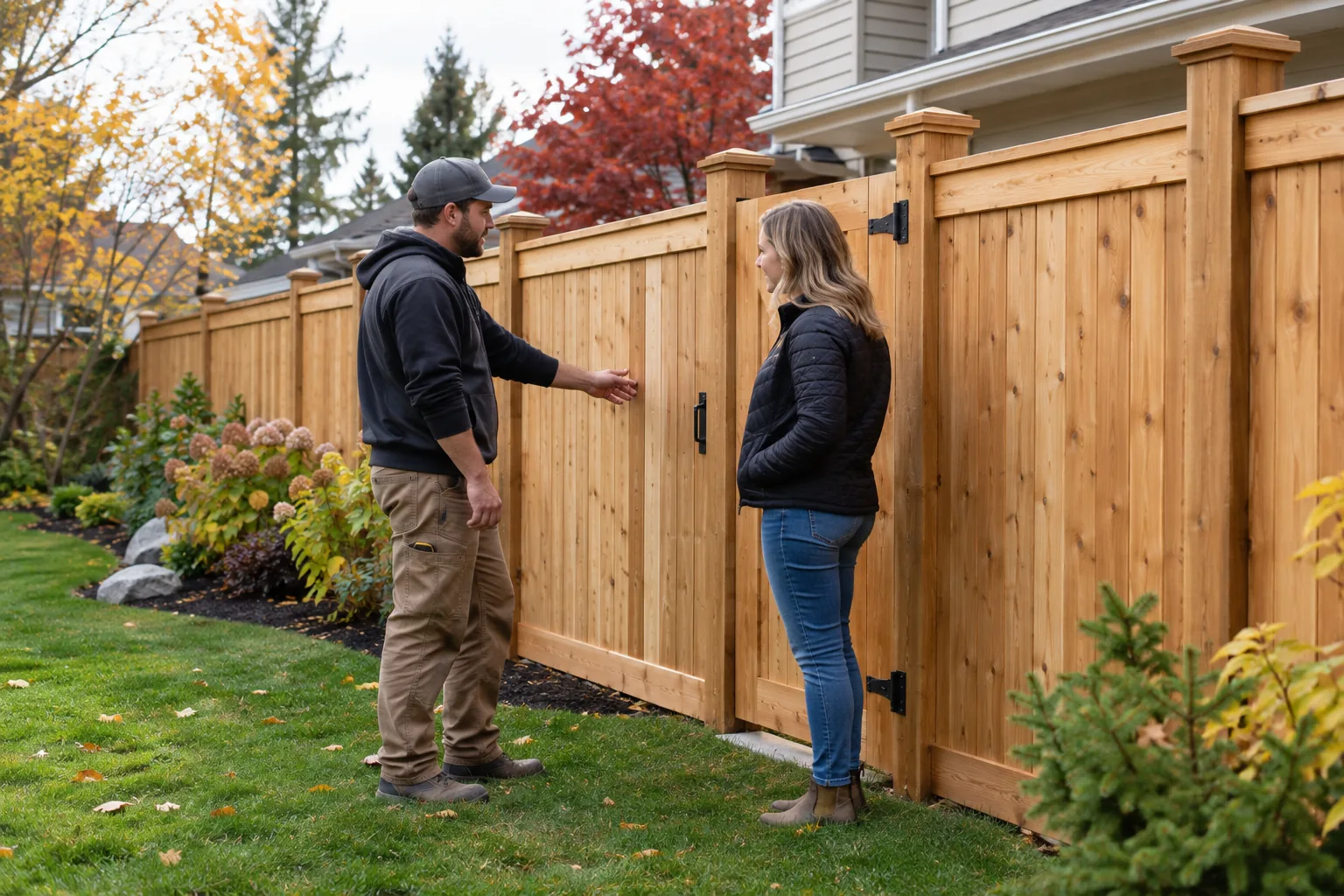
General information for a demo website, not legal advice. Bylaws, pool rules and frost depths vary by municipality and change over time — confirm with your local municipality before building.
Sketch your fence in the 3D Studio and send the layout with your estimate request.