Mortgages for files that don’t fit a box.
Self-employed income, a new life in Canada, a rental portfolio or a credit setback — each needs a lender that reads the file properly.
 Five specialty paths, one review
Different files, different lenders.
Pick a path to see how lenders look at it and what to prepare.

Self-employed & business owners
Lenders usually average two years of income from your tax returns. Write-offs that save tax can lower your qualifying income — so how the file is packaged matters.
How it works
- Two-year average of line 15000 income
- Business add-backs (e.g., depreciation) with some lenders
- Stated-income and alternative programs for newer businesses
- Larger down payment improves options
What to prepare
- Two years of T1 Generals and NOAs
- Business financial statements
- Articles of incorporation or business licence
- Six to twelve months of business bank statements

New to Canada
Newcomer programs help permanent residents and many work-permit holders buy within their first years in Canada, even with limited Canadian credit.
How it works
- Permanent residents: as little as 5% down with some insurers
- Work-permit holders: programs vary, often 10% or more
- Foreign credit reports or alternative credit references
- Canadian job, even on probation, may qualify
What to prepare
- Passport and PR card or work permit
- Canadian employment letter and pay stubs
- International credit report, if available
- Proof of down payment and transfer history
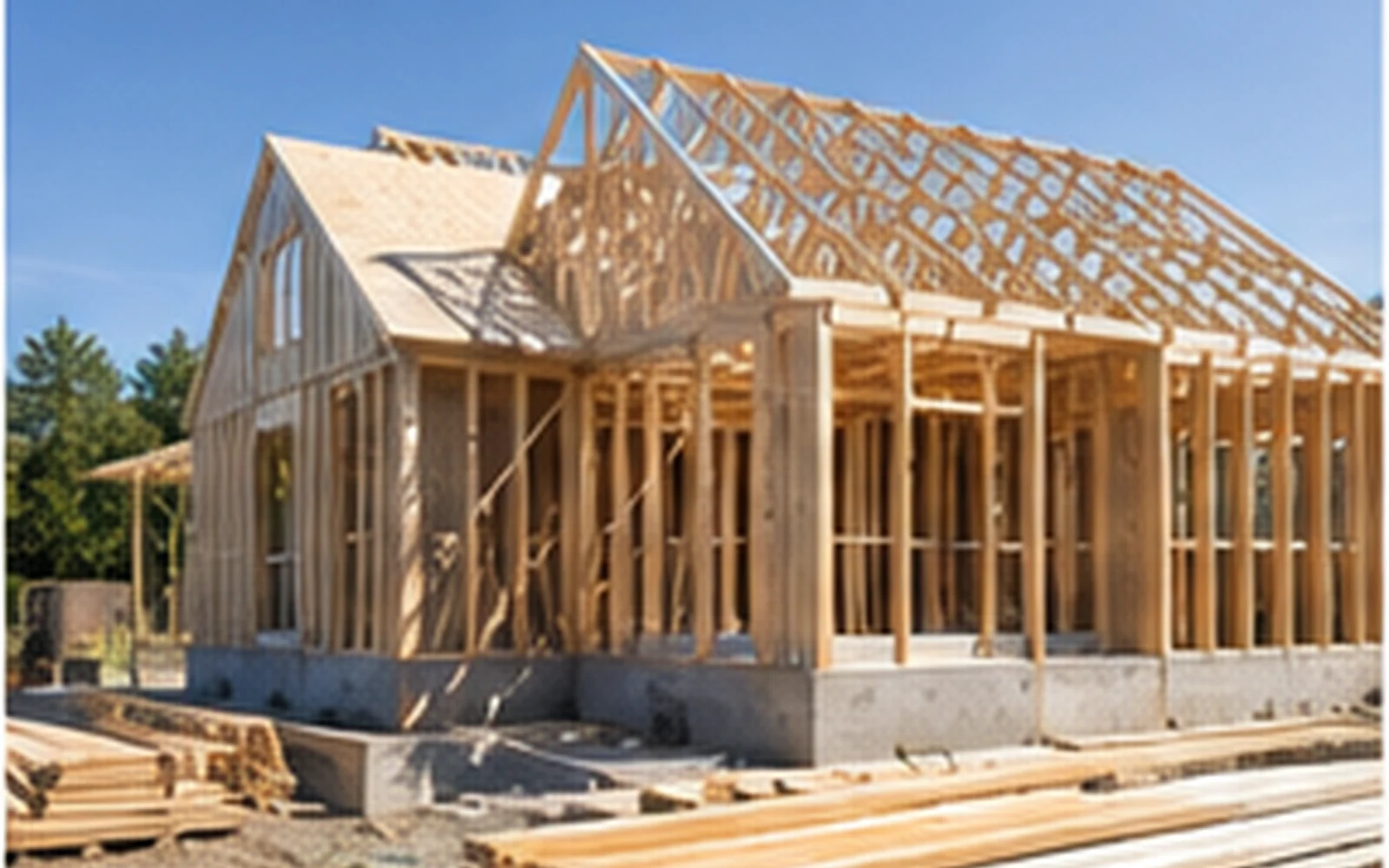
Rentals, multi-unit & new construction
Rental mortgages usually need 20% down. Owner-occupied 2–4 unit homes can qualify with less, and new builds follow their own deposit and draw schedules.
How it works
- Rental income added or offset, depending on the lender
- Owner-occupied duplex to fourplex options
- Pre-construction deposits and closing timelines
- Portfolio limits at some lenders
What to prepare
- Leases or a market rent appraisal
- Statements for properties you already own
- Builder agreement and deposit schedule
- Income documents and NOAs

When the bank says no
Alternative (B) lenders and private lenders look at equity and the exit plan as much as income or credit. They cost more and suit short-term bridges, not long-term homes.
How it works
- Credit recovery, consumer proposals or bridging
- Higher rates and lender or broker fees
- Usually 1–2 year terms with an exit strategy
- All costs disclosed in writing before you commit
What to prepare
- Recent mortgage and debt statements
- Explanation of credit events
- Property details and appraisal
- A clear plan to move back to a prime lender

Commercial & mixed-use
Five-plus unit residential, mixed-use and owner-occupied commercial property are underwritten on the property’s income and the borrower’s strength.
How it works
- Debt service coverage on the property income
- Conventional or CMHC-insured multi-unit programs
- Longer approval timelines and third-party reports
- Personal guarantees often required
What to prepare
- Rent roll and operating statements
- Corporate financials and tax returns
- Appraisal, environmental and building reports
- Purchase agreement or current mortgage details
Prime, alternative and private.
Moving along the spectrum trades cost for flexibility. The goal is always the best lender you can qualify for.
Prime lenders
Banks, credit unions and monolines. Lowest rates, strict income and credit rules, full stress test.
Alternative lenders
Trust companies and alternative lenders. More flexible income and credit review, higher rates and a lender fee.
Private lenders
Individuals and mortgage investment corporations. Equity-based, short terms, highest cost — a bridge, not a destination.
Every fee, rate and term is disclosed in writing before you sign. Credit-challenged files are reviewed case by case.
A clear plan before you sign anything.
Buying, renewing or refinancing — a 30-minute review shows your options, the trade-offs and the documents to gather first. No obligation.