01
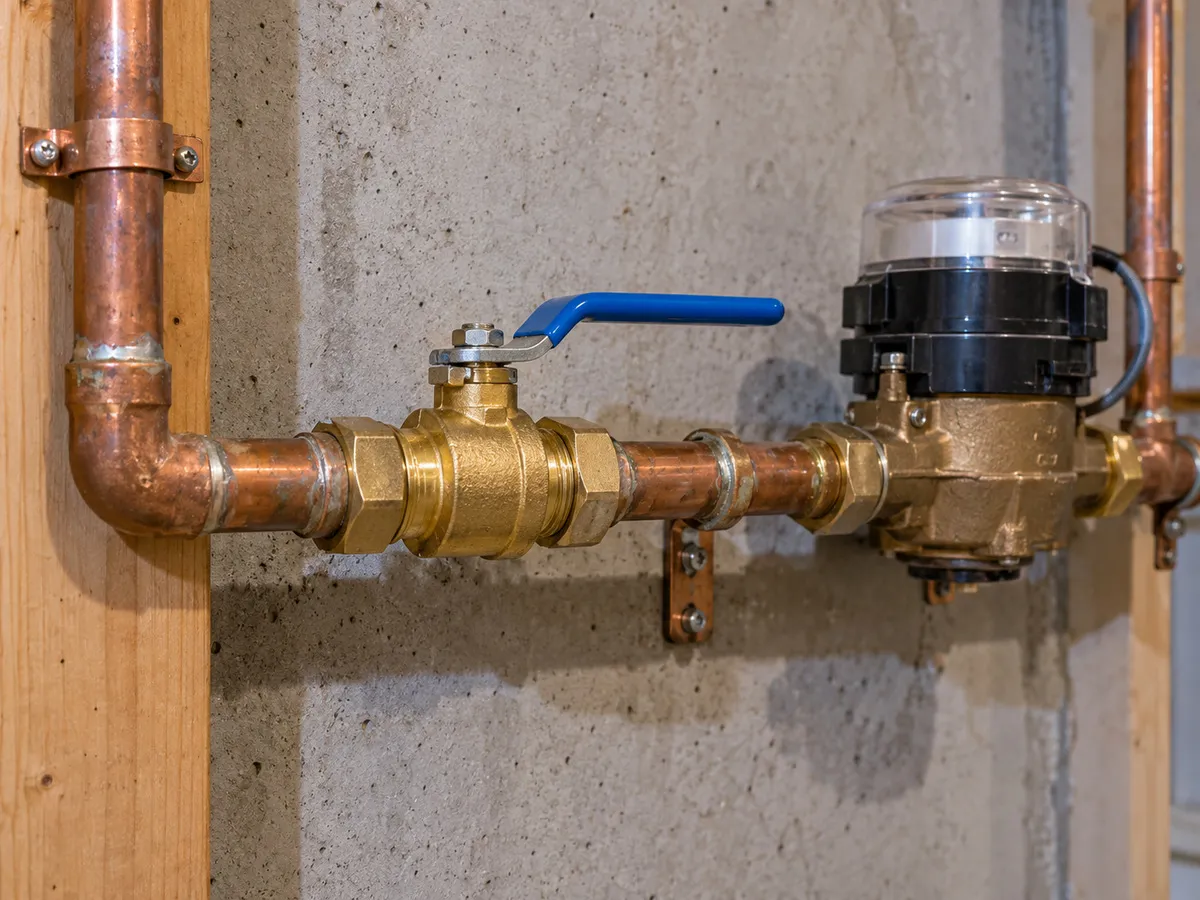
Main shut-off
Near the meter where the line enters. Lever handles close with a quarter turn; round wheel handles take several turns clockwise.
Select a point to see where it usually is and what it controls. Layouts vary — use this as a guide to find yours.
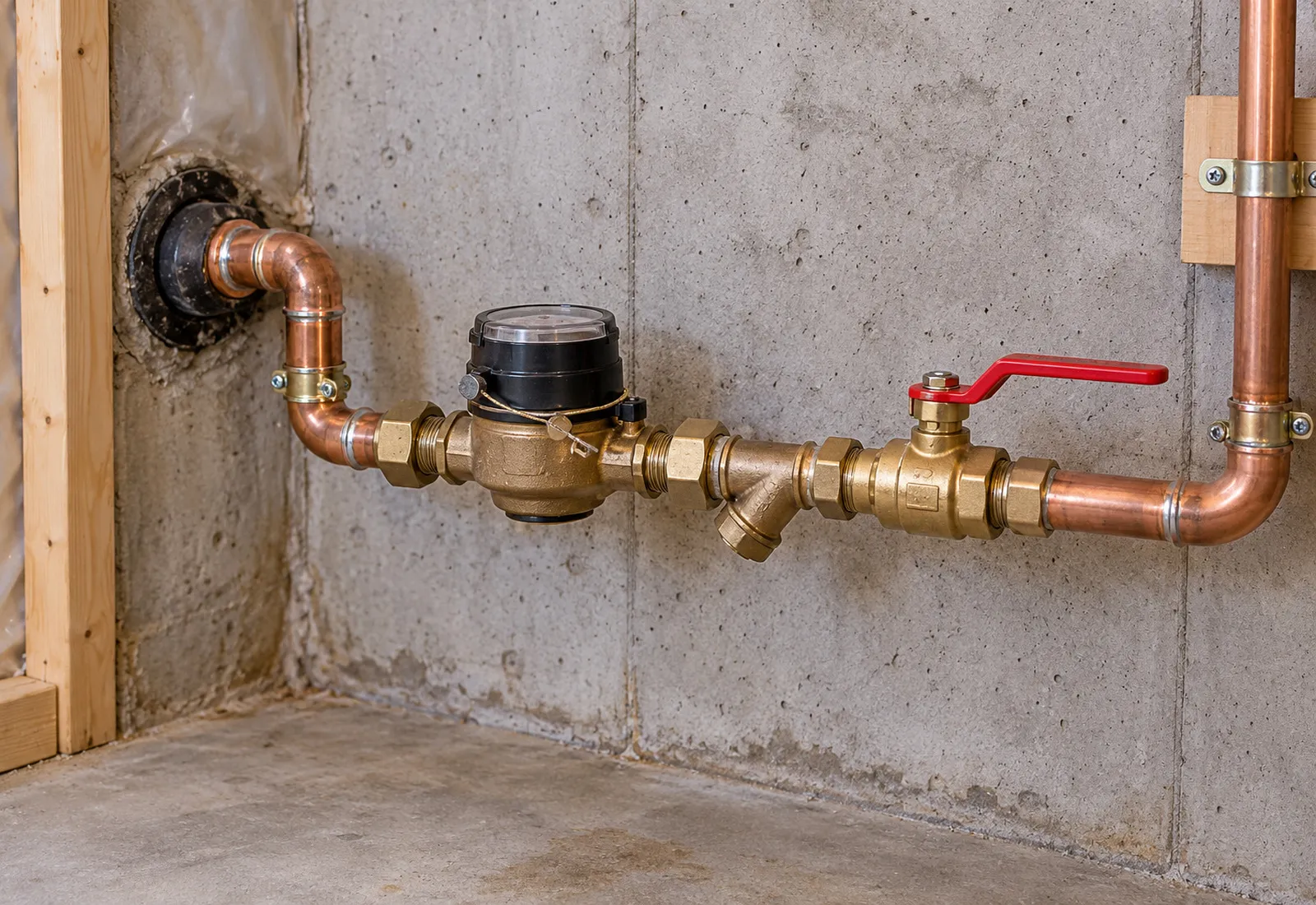
It stops water to the entire house and is the first thing to close in almost every leak.
Where the water line enters the home, usually near the meter on the basement or crawl-space wall. Turn clockwise (a lever valve turns a quarter turn so the handle crosses the pipe).
Stops water to the whole house.
HEATEROn the cold-water pipe entering the top of the tank. Close it to stop a tank leak without shutting off the whole house.
Also turn the heater off (gas control to off/pilot or the breaker).
HOSEBIBInside the house on the line feeding the outdoor tap. Close it and drain the outdoor tap in fall.
Prevents a frozen, split outdoor line.
TOILETThe small oval valve behind the toilet. Turn clockwise to stop an overflowing toilet.
Fixture-only — the rest of the house keeps water.
SINKTwo valves under kitchen and bathroom sinks (hot and cold).
Useful for faucet and supply-line leaks.
SUMPNot a valve — the pump that removes groundwater. Check that it has power and is running during heavy rain or snowmelt.
A battery backup helps during storm power outages.
BWVOn the main sewer line, under an access cover in the basement floor. It closes to stop city sewer water flowing back in.
Don’t use fixtures while it’s closed.
Near the meter where the line enters. Lever handles close with a quarter turn; round wheel handles take several turns clockwise.
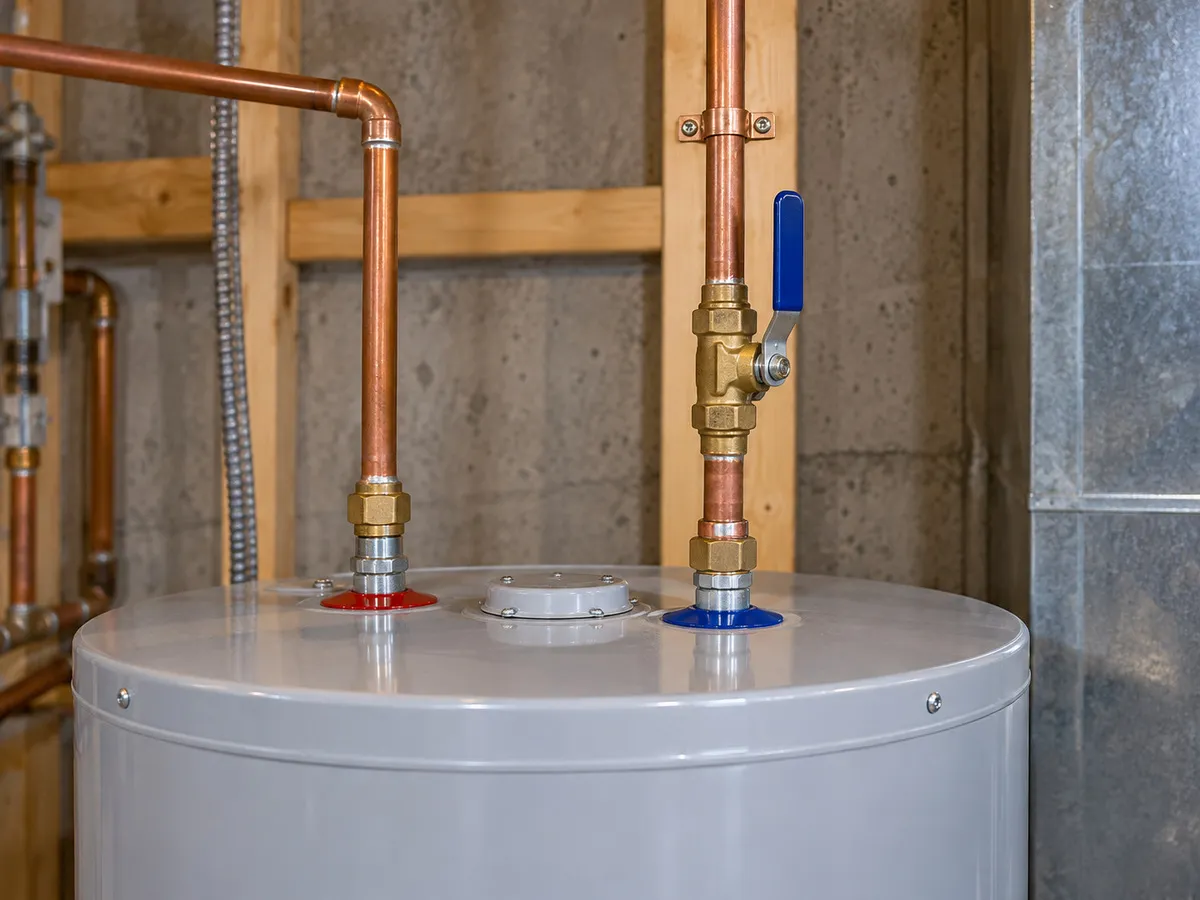
On the cold line into the tank. Close it, then turn the heater off, if the tank leaks.
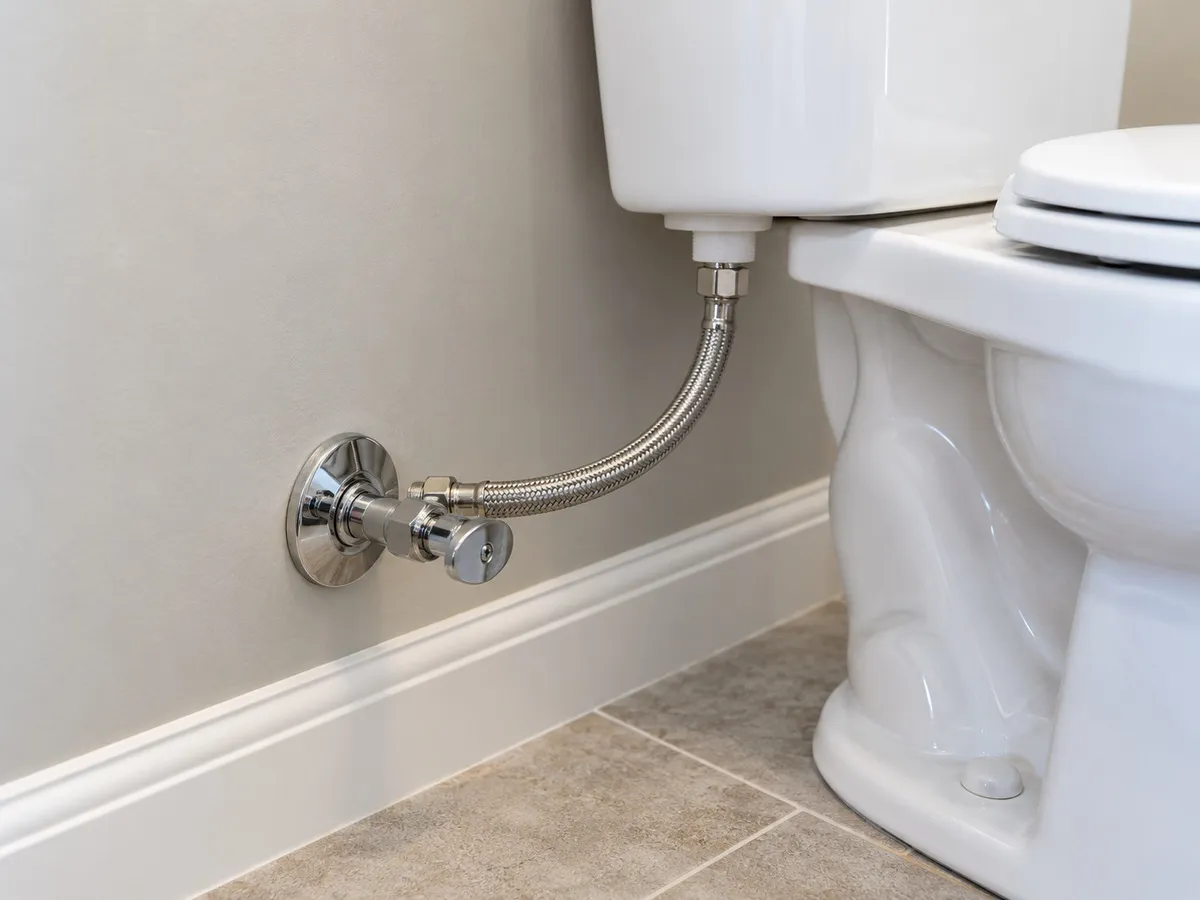
Behind toilets and under sinks. They isolate one fixture so the rest of the house keeps water.
In many condos and apartments, suite shut-offs are behind an access panel or in a utility closet — or only building staff can close the riser. Find out from your building manager now, and keep their after-hours number handy.
Frozen or damaged water meter? That usually belongs to the municipality — contact your city (often 311).
A seized main valve is worth replacing before the next emergency.